Introduction to Performance Marketing
Definition and Core Concept
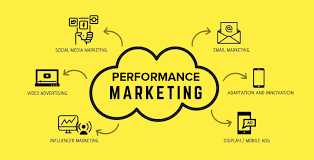
Performance marketing is a digital advertising strategy where advertisers only pay when a specific action occurs. These actions may include clicks, leads, sales, or app installs. Unlike traditional advertising, where brands pay upfront for exposure, performance marketing focuses entirely on measurable results.
At its core, performance marketing aligns cost with outcomes. That means businesses don’t waste money on impressions that don’t convert. Instead, every rupee or dollar spent ties directly to a result.
This model blends creativity with analytics. Marketers must design compelling campaigns while also tracking performance in real time. It’s both an art and a science.
Why Performance Marketing Matters Today
In today’s digital-first world, businesses want accountability. Gone are the days when brands relied solely on billboard impressions or TV reach. Now, companies demand precise tracking and measurable ROI.
Performance marketing answers that demand. It allows businesses to:
- Track every user interaction
- Optimize campaigns instantly
- Scale successful strategies quickly
Moreover, small businesses benefit just as much as large enterprises. Even with a limited budget, performance marketing makes it possible to compete effectively.
How Performance Marketing Works
Key Players in the Ecosystem
Performance marketing involves several important participants working together:
- Advertisers (Brands): These are businesses promoting products or services.
- Publishers (Affiliates): Individuals or platforms that promote offers.
- Affiliate Networks: Platforms connecting advertisers and publishers.
- Tracking Platforms: Tools that measure clicks, conversions, and performance.
Each player plays a unique role in ensuring campaigns run smoothly and efficiently.
Payment Models Explained
Performance marketing operates on several payment structures:
| Model | Meaning |
|---|---|
| CPC (Cost Per Click) | Pay when a user clicks an ad |
| CPA (Cost Per Action) | Pay when a user completes an action |
| CPM (Cost Per Mille) | Pay per 1,000 impressions |
| CPL (Cost Per Lead) | Pay for each lead generated |
Among these, CPA is the most popular because it ties cost directly to conversions.
Types of Performance Marketing Channels
Affiliate Marketing
Affiliate marketing is one of the oldest and most effective forms of performance marketing. Affiliates promote products through blogs, websites, or social media and earn commissions for conversions.
It’s highly scalable and works well across industries like e-commerce, finance, and education.
Paid Search Advertising
Paid search ads appear on search engines when users type specific keywords. These ads target high-intent users, making them extremely effective.
For example, if someone searches for “buy running shoes,” a paid search ad can appear at the top of the results.
Social Media Advertising
Platforms like Facebook, Instagram, and LinkedIn offer powerful targeting options. Advertisers can reach users based on demographics, interests, and behavior.
Social ads are particularly effective for brand awareness and retargeting campaigns.
Native Advertising
Native ads blend seamlessly with content on websites. They don’t feel intrusive, which improves engagement and click-through rates.
Influencer Marketing
Influencers promote products to their audience. When combined with performance tracking, this becomes a powerful channel.
Brands often pay influencers based on results rather than flat fees.
Benefits of Performance Marketing
Measurable ROI
One of the biggest advantages of performance marketing is transparency. Every click, impression, and conversion is tracked.
This allows marketers to calculate ROI accurately and make data-driven decisions.
Cost Efficiency
Since you only pay for results, there’s minimal waste. Budgets are used effectively, making performance marketing ideal for startups and small businesses.
Scalability
Once a campaign performs well, it can be scaled quickly. Marketers can increase budgets, expand targeting, or replicate success across channels.
Challenges and Limitations
Fraud Risks
Click fraud and fake leads can affect campaign performance. Businesses must use reliable tracking tools to minimize risks.
Attribution Issues
Sometimes, it’s hard to determine which channel deserves credit for a conversion. Multi-touch attribution models help solve this problem.
Platform Dependence
Relying too heavily on one platform can be risky. Algorithm changes can impact performance overnight.
Key Metrics in Performance Marketing
CPA, CPC, CPM
These metrics measure cost efficiency:
- CPA: Cost per conversion
- CPC: Cost per click
- CPM: Cost per thousand impressions
Conversion Rate
This measures how many users take the desired action after clicking an ad.
ROI and ROAS
- ROI: Return on Investment
- ROAS: Return on Ad Spend
Both are essential for evaluating campaign success.
Performance Marketing vs Traditional Marketing
Traditional marketing focuses on brand awareness, while performance marketing focuses on results.
| Aspect | Performance Marketing | Traditional Marketing |
|---|---|---|
| Payment | Based on results | Upfront cost |
| Tracking | Highly measurable | Limited tracking |
| Flexibility | High | Low |
| ROI | Clear | Hard to measure |
Clearly, performance marketing offers more accountability and flexibility.
Strategies for Success
Targeting the Right Audience
Understanding your audience is crucial. Use data to identify demographics, interests, and behaviors.
Optimizing Campaigns
Always test different ad creatives, headlines, and targeting options. A/B testing helps identify what works best.
Using Data Analytics
Data is the backbone of performance marketing. Analyze metrics regularly to improve campaigns.
Tools and Platforms for Performance Marketing
Several tools help manage and optimize campaigns:
- Google Ads
- Facebook Ads Manager
- HubSpot
- SEMrush
- Ahrefs
These platforms provide insights, automation, and reporting features.
Future Trends in Performance Marketing
The future of performance marketing looks promising. Key trends include:
- AI-driven advertising
- Personalization at scale
- Voice search optimization
- Privacy-focused tracking
As technology evolves, performance marketing will become even more sophisticated.
Frequently Asked Questions (FAQs)
1. What is performance marketing in simple terms?
Performance marketing is a type of advertising where you pay only when a specific action happens, like a sale or click.
2. Is performance marketing suitable for beginners?
Yes, it’s beginner-friendly because you can start small and scale as you learn.
3. Which platform is best for performance marketing?
It depends on your goals. Google Ads works well for search intent, while social media is great for targeting audiences.
4. How do I measure success in performance marketing?
You can measure success using metrics like CPA, ROI, conversion rate, and ROAS.
5. What is the difference between affiliate marketing and performance marketing?
Affiliate marketing is a subset of performance marketing focused on partnerships with affiliates.
6. Can small businesses benefit from performance marketing?
Absolutely. It’s cost-effective and allows small businesses to compete with larger brands.
Conclusion
Performance marketing has transformed the way businesses approach advertising. By focusing on measurable outcomes, it ensures that every marketing effort delivers real value.
Whether you’re a beginner or an experienced marketer, performance marketing offers endless opportunities for growth. With the right strategies, tools, and mindset, you can achieve remarkable results
you may like : Digital Marketing Agency