The Digital Marketing Landscape in 2026
Digital marketing has evolved faster than most business owners expected. Just a decade ago, simply running Facebook ads or writing a few blog posts was enough to generate leads. Fast forward to 2026, and the game has completely changed. Businesses now operate in an ecosystem driven by artificial intelligence, data analytics, personalized customer experiences, and omnichannel engagement. The brands that adapt quickly thrive, while those that rely on outdated tactics struggle to stay visible in a highly competitive online marketplace.
One reason for this rapid shift is the explosive growth of the digital advertising industry. The global digital advertising market is projected to reach about $786 billion by 2026, highlighting how heavily businesses are investing in online marketing channels. At the same time, social media advertising continues to surge, with spending expected to reach over $317 billion in 2026. These numbers reveal something important: consumers are spending more time online than ever before, and businesses must meet them where they are.
But here’s the challenge. Despite massive investments in marketing technology, only about 3 out of 5 marketers believe their current strategies are effective. That means many businesses are spending money without seeing meaningful growth. The problem isn’t necessarily the budget—it’s the strategy.
If you want your brand to stand out in 2026, you need smarter, more targeted digital marketing strategies. The following ten strategies represent the most powerful methods businesses are using today to drive traffic, generate leads, and dramatically increase revenue.
Strategy #1 – AI-Powered Marketing Automation
Artificial intelligence has become the backbone of modern digital marketing. What once required large teams of marketers can now be handled by intelligent software that analyzes data, predicts trends, and automates repetitive tasks. Today, around 80% of marketers already use AI for content creation, while 75% use it for media production. This massive adoption shows how essential AI has become in marketing operations.
Think of AI as a supercharged assistant that never sleeps. It can analyze thousands of customer interactions, determine patterns, and suggest the most effective marketing actions. For example, AI can automatically send personalized emails based on user behavior, optimize ad campaigns in real time, and even create marketing content tailored to specific audiences.
One major advantage of AI automation is speed. Campaigns that once took weeks to launch can now be created in hours. Businesses can instantly test multiple variations of ads, landing pages, and emails to identify the highest-performing combinations. Instead of guessing what customers want, AI uses data to make decisions with incredible accuracy.
Another benefit is cost efficiency. Automation reduces manual work, allowing companies to scale marketing campaigns without dramatically increasing expenses. Smaller businesses can now compete with large corporations because AI tools provide enterprise-level capabilities at affordable prices.
In simple terms, companies that integrate AI into their marketing strategy gain a powerful competitive advantage. AI doesn’t replace human creativity—it enhances it. By combining automation with human insight, businesses can deliver smarter campaigns that attract more customers and drive consistent growth.
Strategy #2 – Hyper-Personalized Customer Experiences
Imagine walking into a store where every product recommendation perfectly matches your preferences. That’s essentially what hyper-personalization does in digital marketing. Instead of showing generic advertisements to everyone, businesses tailor their messages to each individual customer based on behavior, preferences, and past interactions.
Research shows that 75% of consumers are more likely to buy from brands that offer personalized experiences. That statistic alone explains why personalization has become one of the most important digital marketing strategies today.
Hyper-personalization goes far beyond simply adding a customer’s name to an email. Modern marketing systems analyze data such as browsing history, purchase behavior, device usage, geographic location, and engagement patterns. This information allows businesses to deliver highly relevant content at exactly the right moment.
For example, an online store might recommend products similar to what a customer recently viewed. Streaming platforms suggest movies based on past watching habits. Even email campaigns can adjust their content dynamically depending on the recipient’s interests.
The result is a far more engaging customer experience. Instead of feeling like they’re being sold to, customers feel understood. That emotional connection builds trust, which ultimately leads to higher conversion rates and stronger brand loyalty.
Businesses that fail to personalize their marketing risk losing customers to competitors who do. In a digital world overflowing with content and advertisements, relevance is the key to standing out.
Strategy #3 – High-Quality Content Marketing
Content marketing remains one of the most powerful tools for building trust, authority, and long-term customer relationships. While advertising can bring quick results, valuable content builds a foundation that keeps attracting audiences for years.
Think about how people search for information online. Before buying a product or service, most consumers research solutions, compare options, and read reviews. If your brand provides helpful content during that research process, you instantly become a trusted resource.
High-quality content comes in many forms, including blog articles, guides, videos, podcasts, webinars, and social media posts. The key is to focus on solving real problems for your audience. Instead of pushing products aggressively, successful brands educate, inform, and inspire their audience.
For instance, a fitness brand might publish workout guides and nutrition tips. A technology company could create tutorials explaining complex software features. These resources not only attract potential customers but also establish the brand as an expert in its field.
Consistency is another important factor. Publishing content regularly keeps audiences engaged and improves search engine visibility. Over time, a well-maintained content library becomes a valuable asset that continuously drives organic traffic.
In a world flooded with advertisements, helpful content acts like a magnet that pulls people toward your brand. Businesses that prioritize quality content marketing often see higher customer trust, stronger brand loyalty, and sustainable long-term growth.
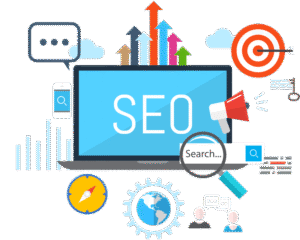
Strategy #4 – Search Engine Optimization (SEO) for Visibility
Search Engine Optimization remains one of the most reliable digital marketing strategies in 2026. Every day, billions of searches happen on platforms like Google as people look for answers, products, and services. If your website appears at the top of those search results, you gain a powerful source of consistent, high-intent traffic.
Interestingly, many marketers still underestimate SEO’s impact. Studies indicate that 49% of marketers say organic search delivers the best return on investment compared to other marketing channels. That’s because SEO targets users who are already actively searching for solutions.
Effective SEO involves several components. Keyword research helps identify the terms your audience uses when searching online. High-quality content ensures that your website provides valuable answers to those searches. Technical optimization improves site speed, mobile compatibility, and overall user experience.
Another crucial aspect is building authority through backlinks. When reputable websites link to your content, search engines view your site as trustworthy and relevant. This improves rankings and increases visibility across search results.
SEO is not a one-time effort but an ongoing strategy. Search algorithms constantly evolve, and competitors are always working to outrank each other. Businesses that consistently update their content, improve user experience, and adapt to algorithm changes can maintain strong search visibility for years.
When done correctly, SEO acts like a long-term growth engine that generates leads and sales without relying entirely on paid advertising.
Strategy #5 – Short-Form Video Marketing
If there’s one type of content dominating the internet today, it’s short-form video. Platforms like TikTok, Instagram Reels, and YouTube Shorts have transformed the way people consume content. These quick, engaging videos capture attention instantly and keep audiences scrolling for hours.
Short-form video works because it matches modern attention spans. People want information quickly, and video delivers it in a visually engaging way. Instead of reading long descriptions, viewers can understand a product or idea within seconds.
Brands are using short videos to showcase products, share tutorials, tell stories, and connect emotionally with audiences. A creative 30-second video can reach millions of viewers and generate massive engagement.
Another reason video marketing is so effective is shareability. Entertaining or informative videos spread quickly across social media platforms, creating organic reach that traditional advertising often cannot achieve.
For businesses, the key is authenticity. Audiences respond better to genuine, relatable content rather than overly polished advertisements. Behind-the-scenes clips, customer testimonials, and quick demonstrations often perform better than expensive productions.
Short-form video isn’t just a trend—it’s becoming a core component of digital marketing strategies worldwide.
Strategy #6 – Social Media and Community Building
Social media has evolved from a simple communication tool into a powerful marketing ecosystem. Platforms like Instagram, LinkedIn, TikTok, and YouTube now influence purchasing decisions, brand perception, and customer relationships.
What makes social media so powerful is its ability to build communities. Instead of one-way advertising, brands can engage directly with audiences through comments, messages, polls, and live sessions. This interaction creates stronger emotional connections between brands and customers.
Communities also generate valuable user-generated content. When customers share their experiences with a product or service, it acts as authentic social proof that influences potential buyers.
Businesses that actively engage with their audience—responding to comments, sharing customer stories, and encouraging discussions—often build loyal communities that support and promote the brand organically.
Social media marketing is no longer just about posting content. It’s about creating relationships, conversations, and experiences that make customers feel part of something bigger.
Strategy #7 – Influencer and Creator Collaborations
Influencer marketing continues to grow because people trust recommendations from individuals more than traditional advertisements. When a trusted creator endorses a product, it feels more authentic than a standard marketing campaign.
Influencers bring something extremely valuable to businesses: access to highly engaged audiences. Instead of building an audience from scratch, brands can partner with creators who already have loyal followers within specific niches.
Micro-influencers, in particular, have become extremely effective. While they may have smaller audiences, their followers often have stronger trust and engagement levels. This leads to higher conversion rates compared to celebrity endorsements.
Successful influencer collaborations focus on authenticity. Rather than forcing scripted promotions, brands allow creators to share their genuine experiences with products. This natural approach resonates far better with audiences.
Influencer marketing works best when partnerships align with brand values and audience interests. When done correctly, it can dramatically expand brand reach and credibility.
Strategy #8 – Omnichannel Marketing Strategy
Customers today interact with brands across multiple platforms—websites, social media, mobile apps, email, and even physical stores. An omnichannel marketing strategy ensures that these interactions feel seamless and connected.
Imagine discovering a product on Instagram, researching it on a website, receiving a discount email, and finally completing the purchase through a mobile app. If each step feels consistent and personalized, the customer journey becomes smooth and enjoyable.
Omnichannel marketing integrates data from various channels to create a unified experience. Instead of treating each platform separately, businesses coordinate messaging, branding, and customer interactions across all touchpoints.
This approach not only improves user experience but also increases conversion rates. When customers encounter consistent messaging across platforms, they develop stronger trust in the brand.
Businesses that adopt omnichannel strategies can reach customers wherever they are while maintaining a cohesive brand presence.
Strategy #9 – Data Analytics and Performance Marketing
Data has become the fuel that powers modern marketing strategies. Every click, view, purchase, and interaction generates valuable information about customer behavior. Businesses that analyze this data effectively gain insights that drive smarter decisions.
Performance marketing focuses on measurable results. Instead of guessing which campaigns work, marketers track metrics such as conversion rates, cost per acquisition, and return on ad spend.
Analytics tools allow businesses to identify what resonates with audiences and what doesn’t. For example, A/B testing can compare two versions of an advertisement to determine which performs better.
This data-driven approach reduces wasted marketing spend and improves campaign effectiveness. Businesses can continuously refine their strategies based on real-world performance data.
Companies that rely on analytics gain a clear advantage because they make decisions based on evidence rather than assumptions.
Strategy #10 – Conversational Marketing and Chatbots
Modern consumers expect instant responses. Waiting hours—or even minutes—for customer support can frustrate potential buyers and cause them to abandon a purchase.
Conversational marketing solves this problem by enabling real-time communication between businesses and customers. Chatbots, live chat systems, and messaging platforms allow brands to engage visitors instantly.
AI-powered chatbots can answer frequently asked questions, recommend products, and guide users through the purchasing process. This immediate assistance improves customer experience and increases conversion rates.
Another advantage of conversational marketing is data collection. Every conversation provides insights into customer needs, preferences, and pain points. Businesses can use this information to improve products, services, and marketing campaigns.
By combining automation with human support, conversational marketing creates a responsive and engaging customer experience.
Conclusion
Digital marketing in 2026 is more advanced, competitive, and data-driven than ever before. Businesses that rely on outdated tactics will struggle to capture attention in an increasingly crowded digital environment. The companies that succeed are those that embrace innovation, experiment with new technologies, and prioritize customer experience.
From AI-powered automation and hyper-personalization to SEO, content marketing, and video storytelling, the strategies discussed in this guide represent the foundation of modern digital marketing success. Each strategy works best when integrated into a comprehensive marketing ecosystem rather than used in isolation.
The future belongs to businesses that understand their audience deeply and use technology to deliver meaningful experiences. By implementing these ten powerful digital marketing strategies, companies can increase visibility, build stronger relationships with customers, and drive sustainable growth in the years ahead.
FAQs
1. What is the most effective digital marketing strategy in 2026?
There is no single best strategy because effectiveness depends on the business model and target audience. However, combining SEO, AI automation, personalized marketing, and content marketing often produces the strongest results.
2. How important is AI in digital marketing today?
AI has become extremely important. Most marketers now use AI tools for content creation, campaign optimization, and customer analytics, making marketing faster and more data-driven.
3. Why is personalization important in marketing?
Personalization improves customer experience by delivering relevant content and recommendations. This increases engagement, trust, and conversion rates.
4. Is SEO still relevant in 2026?
Yes. SEO remains one of the highest-ROI marketing channels because it attracts users who are actively searching for products or solutions online.
5. How can small businesses compete with large brands in digital marketing?
Small businesses can compete by focusing on niche audiences, creating high-quality content, leveraging social media communities, and using affordable AI marketing tools.
You May Like : Digital marketing Strategy, Digital Marketing Agency